


Boating Safety Equipment Education and Flare Disposal Days Help Boaters
Apr 26, 2016
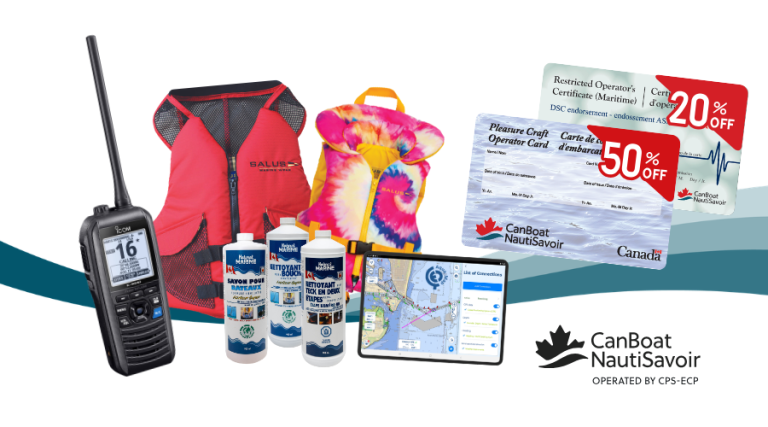
Every year thousands of boaters go out on the water without the proper safety equipment that is required by law. This equipment can be of great benefit and comfort and can mean the difference between a great day out on the water and a potential disaster.
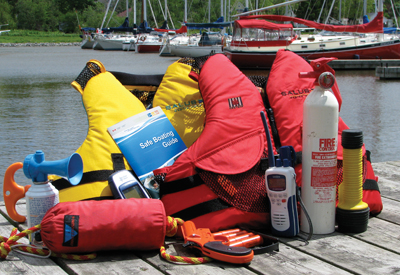
Required items vary depending on boat length but here is a list of things that you require on board, in good working condition and within reach each time you go out:
Compulsory Items required on a typical vessel 6 meters or less in length:
– The vessels license or registration certificate if powered by a motor of 7.5 kw (10 hp) or more.
– A Canadian approved flotation device, lifejacket or PFD, in good repair and of appropriate size for every person on board.
– Fire extinguisher (depending on type of engine, gas tank or cooking appliances on board).
– Watertight flashlight or pyrotechnic distress signal requirements (flares).
– Sound signaling device.
– Buoyant heaving line (minimum 15 meters in length).
– Paddle or anchor with at least 15 meters of rode and /or chain.
– Re-boarding device.
– Bailer or manual water pump.
– Navigation lights.
If you have questions CPS-ECP Squadrons are hosting Boating Safety Equipment and Flare Disposal Days where you can dispose of expired flares, request a Courtesy Check and ask questions about safety equipment.
Click here for dates and locations.